

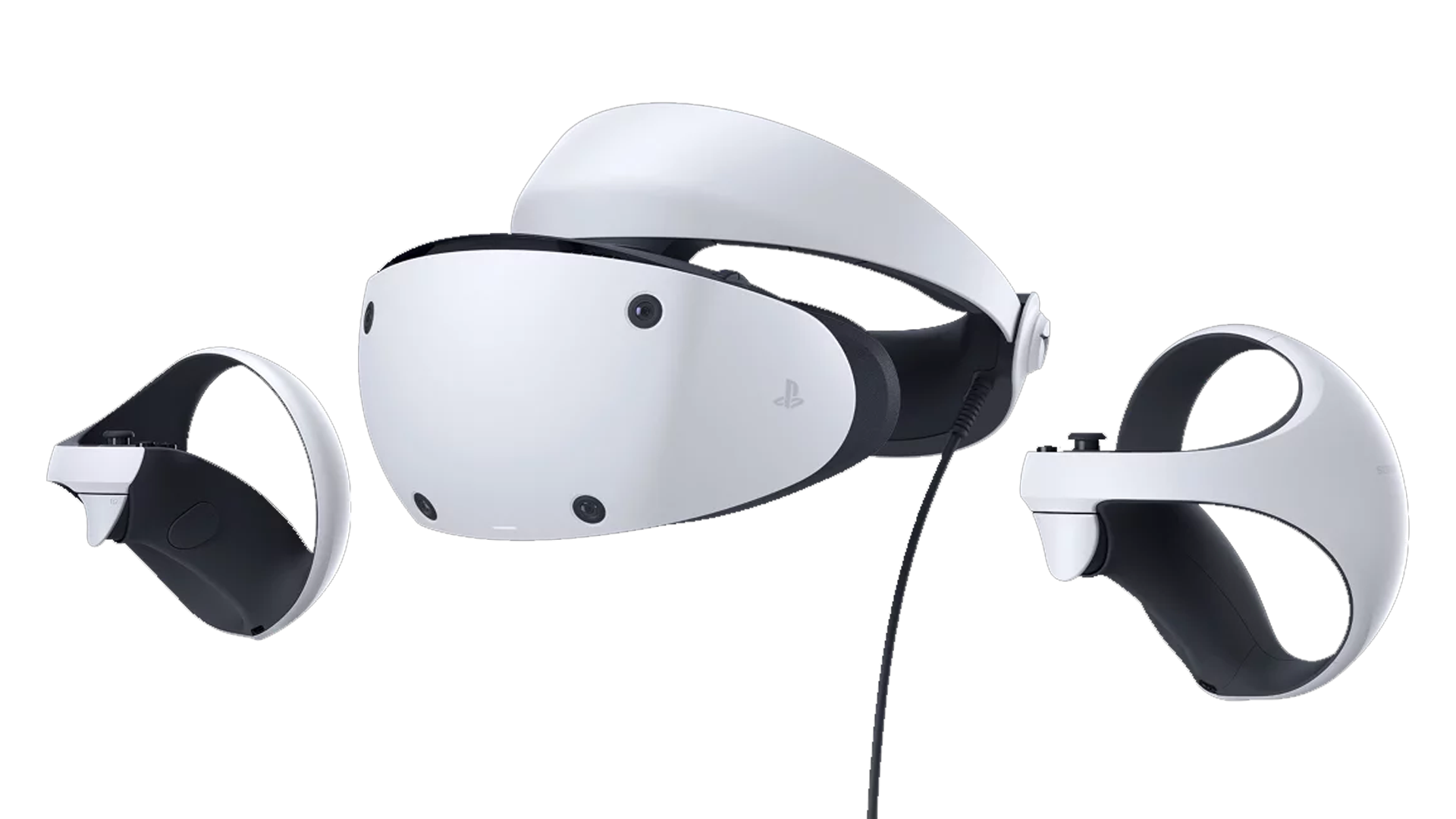
Eye tracking is one of the most exciting features in modern VR.
By detecting exactly where your eyes are looking, VR headsets can enable more expressive avatars, natural eye contact in platforms like VRChat, and performance improvements through techniques like foveated rendering, where the headset focuses graphics power on the area you’re looking at.
But for many VR users who wear glasses, one question comes up again and again: Can glasses interfere with VR eye tracking?
To answer that question, we’ll look at common concerns about glasses and VR eye tracking, along with what users report when wearing glasses with headsets like the Valve Index, PlayStation VR2, and Pimax.
Why Glasses Can Affect VR Eye Tracking
Most VR eye tracking systems rely on inward-facing infrared cameras that monitor pupil movement and gaze direction. For these sensors to work reliably, they need a clear view of the eyes. Glasses can sometimes introduce variables such as:
-
Frames blocking sensors around the lenses
-
Reflections from glasses lenses or lens coatings
-
Slight positioning changes if glasses push the headset farther from your face
Valve Index: Eye Tracking Through Add-On Modules
The Valve Index does not include built-in eye tracking, but many users add third-party eye-tracking modules to enable gaze tracking for social VR, research, or performance features.
These modules typically attach inside the headset near the lenses and use inward-facing sensors to track eye movement. Because the sensors sit very close to the user’s eyes, glasses can occasionally introduce minor tracking issues.
Users experimenting with eye tracking on the Index often report:
-
Lens reflections affecting the sensors during calibration
-
Frames partially block the cameras, depending on frame size
-
Slight positioning changes if glasses push the headset farther from the face
The Index generally has decent room for glasses compared to many headsets, but once eye-tracking hardware is added, maintaining a clear view of the eyes becomes more important for accurate tracking.
PlayStation VR2: Built-In Eye Tracking and Glasses Compatibility
The PlayStation VR2 includes integrated eye tracking, which Sony uses for features like dynamic foveated rendering and gaze-based interaction. Because the system relies on sensors that monitor eye movement, maintaining a clear view of the eyes is important for accurate tracking.
PSVR2 generally accommodates glasses fairly well thanks to its adjustable halo-style design. However, some users report minor issures during eye-tracking setup, including:
-
Calibration taking longer when glasses are worn
-
Reflections from certain lenses affecting sensor readings
-
Frames sitting high enough to partially block the cameras
These issues often depend on the shape of your glasses, but they highlight how important a clear view of the eyes is for consistent tracking.
Pimax Headsets: Wide Field of View With Eye Tracking Modules
Pimax headsets are known for delivering some of the widest fields of view in consumer VR, which makes them popular with dedicated PC VR enthusiasts.
Several Pimax models support eye tracking modules, particularly for setups that use foveated rendering to improve performance. Because of the wide optics and precise sensor placement, alignment becomes especially important.
Users wearing glasses sometimes report:
-
Frames blocking portions of the tracking cameras
-
Calibration adjustments are needed to align sensors correctly
-
Slight inconsistencies in eye tracking when glasses sit close to the lenses
These issues vary depending on frame shape and headset fit, and they often come down to how well the sensors can align with the user’s eyes.
How Valve Index, PSVR2, and Pimax Handle Glasses and Eye Tracking
Each headset handles VR eye tracking and glasses a little differently. The table below summarizes how glasses can affect eye tracking across these headsets.

These issues don’t happen to everyone, but they appear often enough across VR headsets with eye tracking that many users start looking for alternatives to wearing glasses inside the headset.
A Simpler Alternative to Glasses in VR
In VR communities, one option that comes up frequently is switching from glasses to prescription lens inserts.
Lens inserts attach directly to the VR headset’s optics, helping to eliminate frame obstruction and reducing reflections that may interfere with VR eye tracking.
Reloptix designs prescription lens inserts specifically for VR, allowing users to see clearly without needing to wear glasses.
For users experimenting with eye tracking, whether through built-in systems like PlayStation VR2 or add-on modules for devices like the Valve Index, removing glasses from the equation can make eye tracking simpler and more reliable.
Explore Reloptix prescription lens inserts and see how a dedicated lens solution can make your VR setup more comfortable and eye-tracking friendly.
Share:
FOV and IPD in VR Headsets: Why They Matter More Than You Think
Does Diopter Adjustment Replace Prescription Lenses in VR?